Candida Martinelli's Italophile Site
Main
Page This family-friendly site celebrates Italian culture for the enjoyment of children and
adults. Site-Overview
Egg
Liqueur Vov - (no waiting) Coffee
Liqueur (no waiting) Rosolio
(15 days) I must admit, I prefer Italy's abundant aperitivi and digestivi
and liquori,
to her wines. The world must, too, because Italy produces the most
popular liqueur in the world: Amaretto di Saronno. Generally speaking: Below I provide recipes for two delicious liqueurs that you can
make and drink immediately: a coffee liqueur, and a Zabaione
(egg, Marsala wine, and sugar) liqueur that is sold commercially as Vov. And I've put a few of the more known brand drinks Italy
exports to the world, with what they're made of, to give you an
idea of the taste, in case you haven't tried them. And a few links
to company websites. I won't get into Grappa (not one of my favorite drinks) but
direct you instead to the Italian
Made Grappa page if you're interested. Just so you know, it's
a very strong alcohol made from the fermented waste products of wine
production. (Click here for a
grappa, Anthony LaPaglia, Betsy's Wedding story, on my website.)
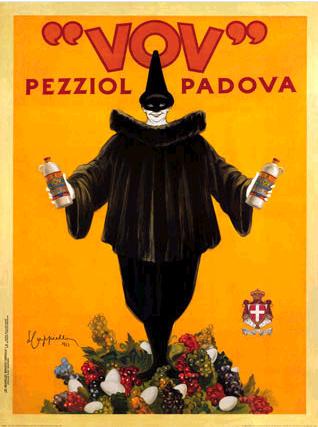
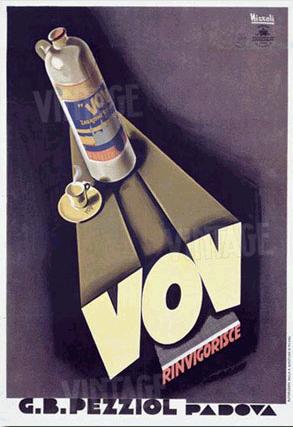
The story goes that in 1840 a sweets-maker in Padova, Mr. Pezziol,
developed a drinkable Zabaione he could sell customers because he
wanted to use up the egg yolks that remained after making all the Torrone
(egg white and sugar nougat), which was his big seller. So Vov
was born and has been a constant success in Italy ever since. It's such a part of Italian culture that they haven't needed
to advertise it much since 1840. When it was advertised, just like
Zabaione, it was touted as an energy pick-me-up. The
sugar content is high, and the energy from the egg yolks is quickly broken down
and made ready for Today it's sold in different ways, as an ingredient in cocktails, as a ski-vacation pick-me-up on or just off the
slopes, and as always, as an addition to coffee on a cold
winter's day. Here's the recipe. 6 egg yolks 500 grams of sugar 1/2 liter of whole milk 1/2 liter of Marsala wine 1 lemon 1-2 teaspoons of Vanilla
extract Put the yolks and sugar together in a pan. Mix this with an
electric mixer over a very low heat (or in a double-boiler) constantly
as you add the Marsala wine. Cook it for at least 5 minutes,
mixing all the time. Then slowly add the milk and cook, stirring
with a wooden spoon, for 5 minutes. Remove from heat and add the
juice of the lemon, and the Vanilla extract. You can drink it right away, or store it in the refrigerator,
pretty much for as long as you'd like, but don't exaggerate. Trust
me, once your family tastes it, it won't last long. Just like the
commercial Vov, it's great in coffee, over ice cream, in cakes and
icings, and even the new way in cocktails. You can also add grain
alcohol to raise the alcohol content, if you wish. 6 eggs yolks 3/4 cups sugar 1 cup Marsala wine Put the yolks and sugar together in a pan. Mix this with an
electric mixer over a very low heat (or in a double-boiler) constantly
as you slowly add the Marsala wine. Cook it for at least 5
minutes, mixing all the time. If it's not light and full of air,
whip it for another 5 minutes. It's delicious served warm over sliced fruit, especially
peaches, but is delicious, like candy, when served cold. An original
recipe and history for Zabaione comes from the Town Hall of Torino
(there's water in their recipe because Marsala was very expensive back
then). And I have a Zabaione page for
you to enjoy as well, on this site.
2 cups water 2 cups sugar 1/2 cup good quality instant
coffee 1-2 teaspoons Vanilla extract
(to taste) 1 1/2 cups Vodka Boil the water and sugar until the sugar is fully dissolved and the
syrup is clear. Remove
it from the heat and let it cool quite a bit. Dissolve the coffee in the Vodka. Add the
Vanilla. Then add this to the syrup. Mix
carefully. You can use it immediately, or store it in clean, air-tight
bottles. It thickens as it cools more. It's delicious over ice
cream, added to coffee or milk, or on it's own. A drop of cream
sets a serving off well, or you can use it to make any of the Coffee
Liqueur mixed drinks.
This is a very old liqueur that was super popular in the 1800s.
It only needs to set 15 days before you can serve it, but the longer it
sits, the mellower the flavor becomes. Delicious! 2 cups water 2 cups sugar 1/2 cup ground almonds Grated lemon rind from 1
lemon 1-2 teaspoons Vanilla extract
or a vanilla bean sliced lengthwise 1 1/2 cups Vodka Put the ground almonds, grated rind and vanilla in a glass container
that you can seal tightly, that can hold 2 cups of liquid. Add the
Vodka. Seal the container. Let it sit for 10 days. I
like to shake it around each day to get the ingredients well mixed. After 10 days, filter the mixture. You can use paper towels
lining a sieve set over a bowl, and some patience. Then add the cooled syrup made by
boiling the water and sugar until the sugar
is fully dissolved and the syrup is clear. Store the liqueur in glass bottles, sealed, for 5 more days, again
mixing it around each day, so the flavors mix well with the Vodka.
After 5 days, it's ready to serve. I set it in the refrigerator
for a few hours because a lot of people like to drink it cold.
(About.com
Italian Cuisine has lots of liqueur recipes, too, but be prepared to wait
several weeks (months!) for the drinks to 'ripen'.)
Visit my Spoonbread (Lady Finger)
Desserts page


Aperitivi,
Digestivi, Liquori, Vov and Coffee Liqueur Recipes,
Prints...


Egg Liqueur (Vov)
 use
by the body. It even became the official drink of the Italian
military for just that reason.
use
by the body. It even became the official drink of the Italian
military for just that reason.Zabaione
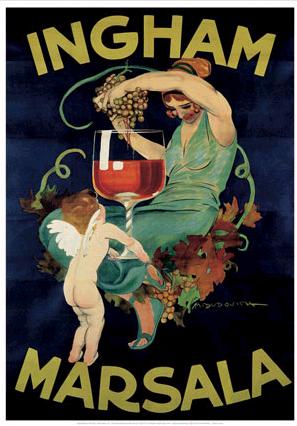 This
is the best recipe I have for Zabaione. It works every time.
Zabaione is supposed to be the food you give the newlywed man so he has
energy to get through the wedding night. It does give an energy
pick-me-up due to the sugar and eggs in it, and men love it more than
women, so he'll love whomever makes it for him (beware). And if
you're a man, you may decide you want to live on this only, but I would
suggest a more varied diet.
This
is the best recipe I have for Zabaione. It works every time.
Zabaione is supposed to be the food you give the newlywed man so he has
energy to get through the wedding night. It does give an energy
pick-me-up due to the sugar and eggs in it, and men love it more than
women, so he'll love whomever makes it for him (beware). And if
you're a man, you may decide you want to live on this only, but I would
suggest a more varied diet.Coffee Liqueur
 The sugar and water base in this recipe is the syrup for any sweet
liqueur, and you can add as much alcohol as you want (alcohol preserves
it, so be sure to put enough to keep it safe from germs). You can
experiment making other liqueurs by adding fruit syrups to flavor the liqueur any way you
want. Here's the coffee version.
The sugar and water base in this recipe is the syrup for any sweet
liqueur, and you can add as much alcohol as you want (alcohol preserves
it, so be sure to put enough to keep it safe from germs). You can
experiment making other liqueurs by adding fruit syrups to flavor the liqueur any way you
want. Here's the coffee version.Rosolio
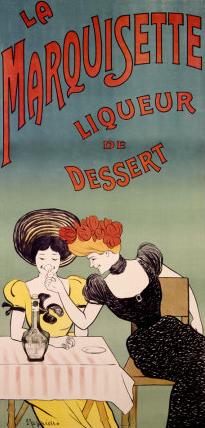 Rosolio is a delicious liqueur flavored with almond, lemon,
vanilla, and optional rose water to taste. I make it without the rose
water, and guest go nuts about it.
Rosolio is a delicious liqueur flavored with almond, lemon,
vanilla, and optional rose water to taste. I make it without the rose
water, and guest go nuts about it.
 Amaretto
di Saronno Originale: liqueur, made from the oil of apricot
pits, almond taste
Amaretto
di Saronno Originale: liqueur, made from the oil of apricot
pits, almond taste
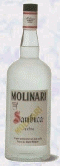 Sambuca
Molinari: liqueur, made from the petals of the elderberry
bush, anise seeds, sugar and spices
Sambuca
Molinari: liqueur, made from the petals of the elderberry
bush, anise seeds, sugar and spices
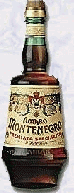 Montenegro
Amaro Liqueur: liqueur, more than 40 herbs and flavored with
vanilla
Montenegro
Amaro Liqueur: liqueur, more than 40 herbs and flavored with
vanilla
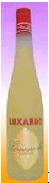 Limoncello:
liqueur, made from fresh lemon peels
Limoncello:
liqueur, made from fresh lemon peels
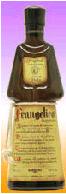 Frangelico
Hazelnut Liqueur: liqueur, made from hazelnuts, herbs and berries
Frangelico
Hazelnut Liqueur: liqueur, made from hazelnuts, herbs and berries
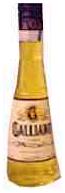 Galliano
Liqueur: liqueur, made from anise, licorice, vanilla
Galliano
Liqueur: liqueur, made from anise, licorice, vanilla
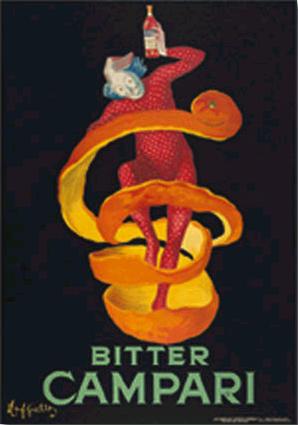
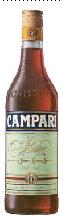 Campari:
aperitif, more than 60 herbs, spices and fruit peels
Campari:
aperitif, more than 60 herbs, spices and fruit peels
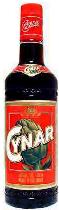 Cynar:
aperitif artichoke extract, herbs, spices, rhubarb, orange peels
Cynar:
aperitif artichoke extract, herbs, spices, rhubarb, orange peels
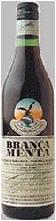 Branca
Menta: mint aperitif
Branca
Menta: mint aperitif
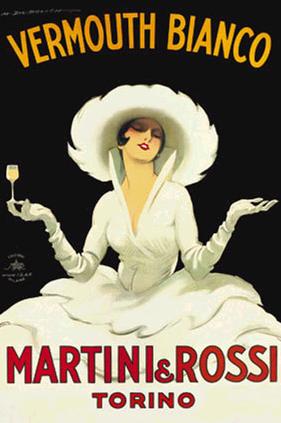
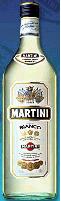 Martini
Bianco: aperitif
Martini
Bianco: aperitif
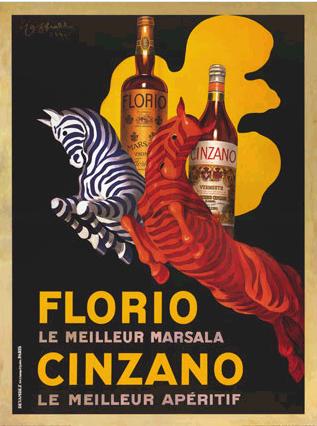
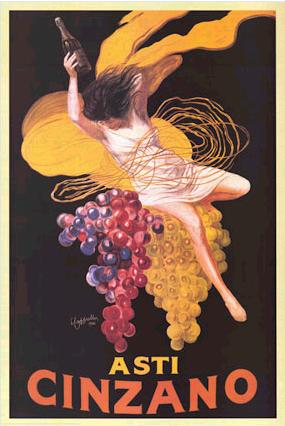
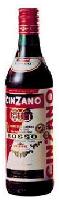 Cinzano
Vermouth: aperitif
Cinzano
Vermouth: aperitif
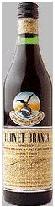 Fernet
Branca: digestive, more than 40 herbs, white wine and brandy
Fernet
Branca: digestive, more than 40 herbs, white wine and brandy
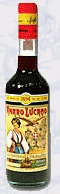 Amaro
Lucano: digestivo, made with angelica, rue, wormwood, sage,
elder, thyme, juniper, gentian and centaurea minor
Amaro
Lucano: digestivo, made with angelica, rue, wormwood, sage,
elder, thyme, juniper, gentian and centaurea minor
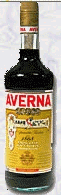 Averna
Siciliana: digestive, caramel and licorice taste with hints of
herbs and spices
Averna
Siciliana: digestive, caramel and licorice taste with hints of
herbs and spices
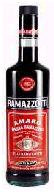 Amaro
Ramazzotti: digestive, made from gentian, cinchona, rhubarb,
cinnamon, oregano, sweet orange and bitter orange
Amaro
Ramazzotti: digestive, made from gentian, cinchona, rhubarb,
cinnamon, oregano, sweet orange and bitter orange